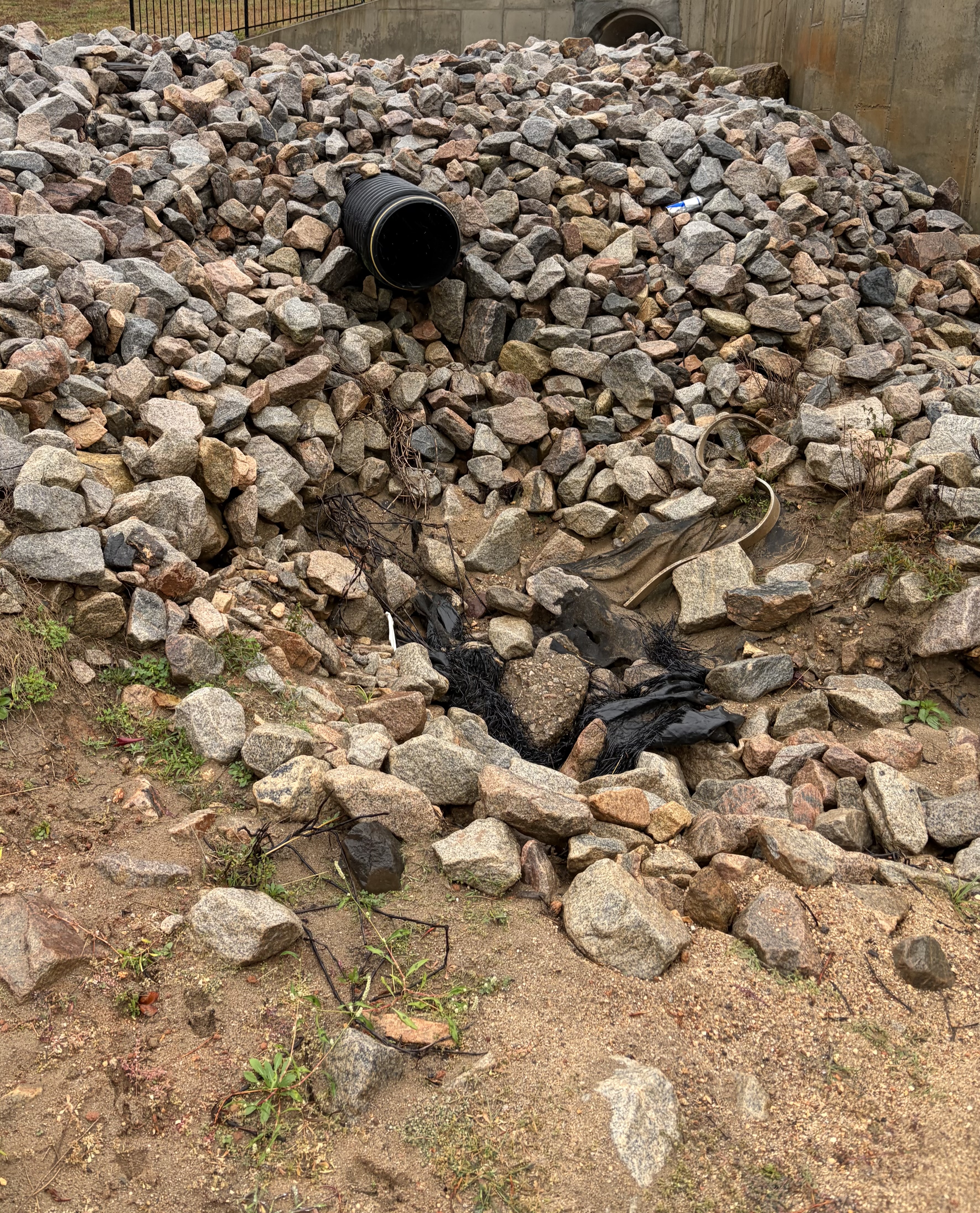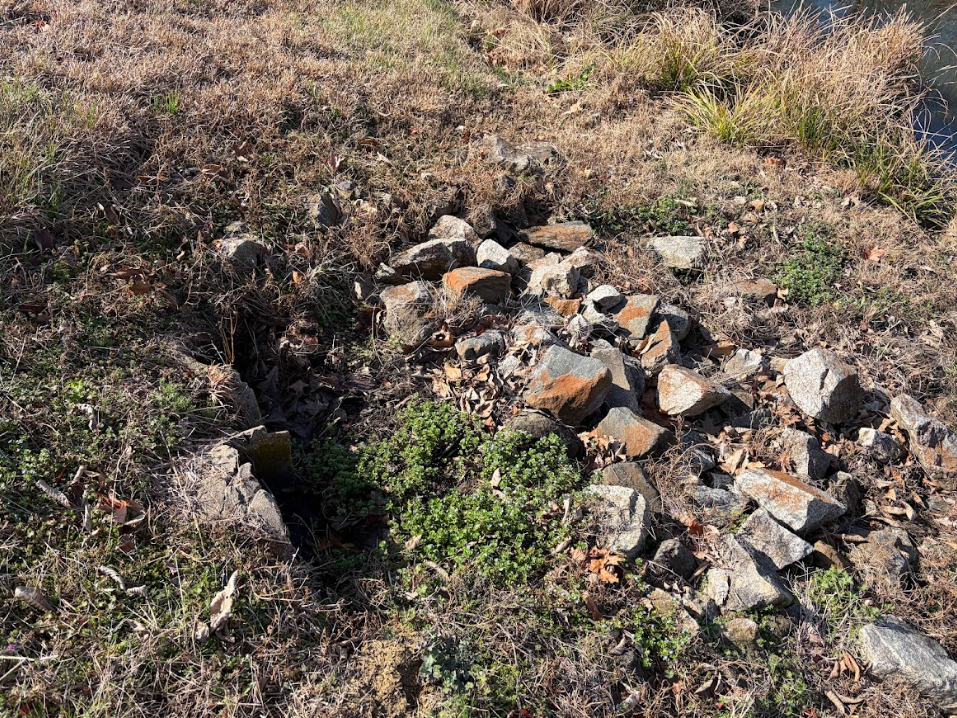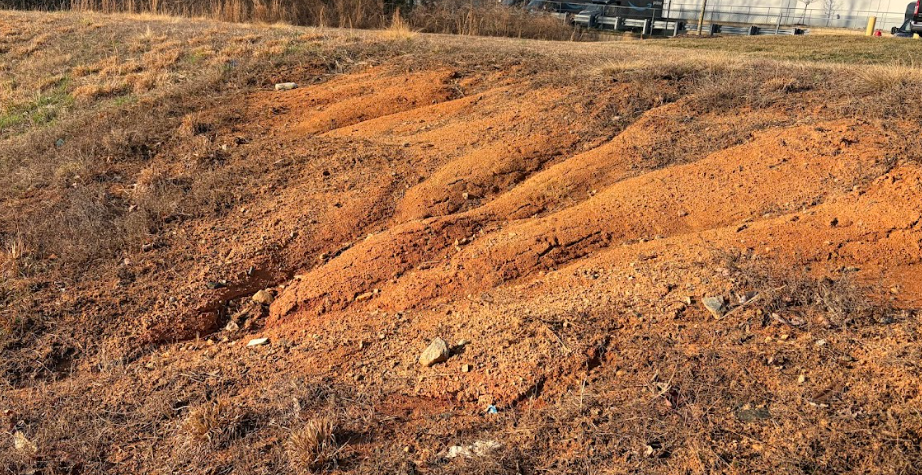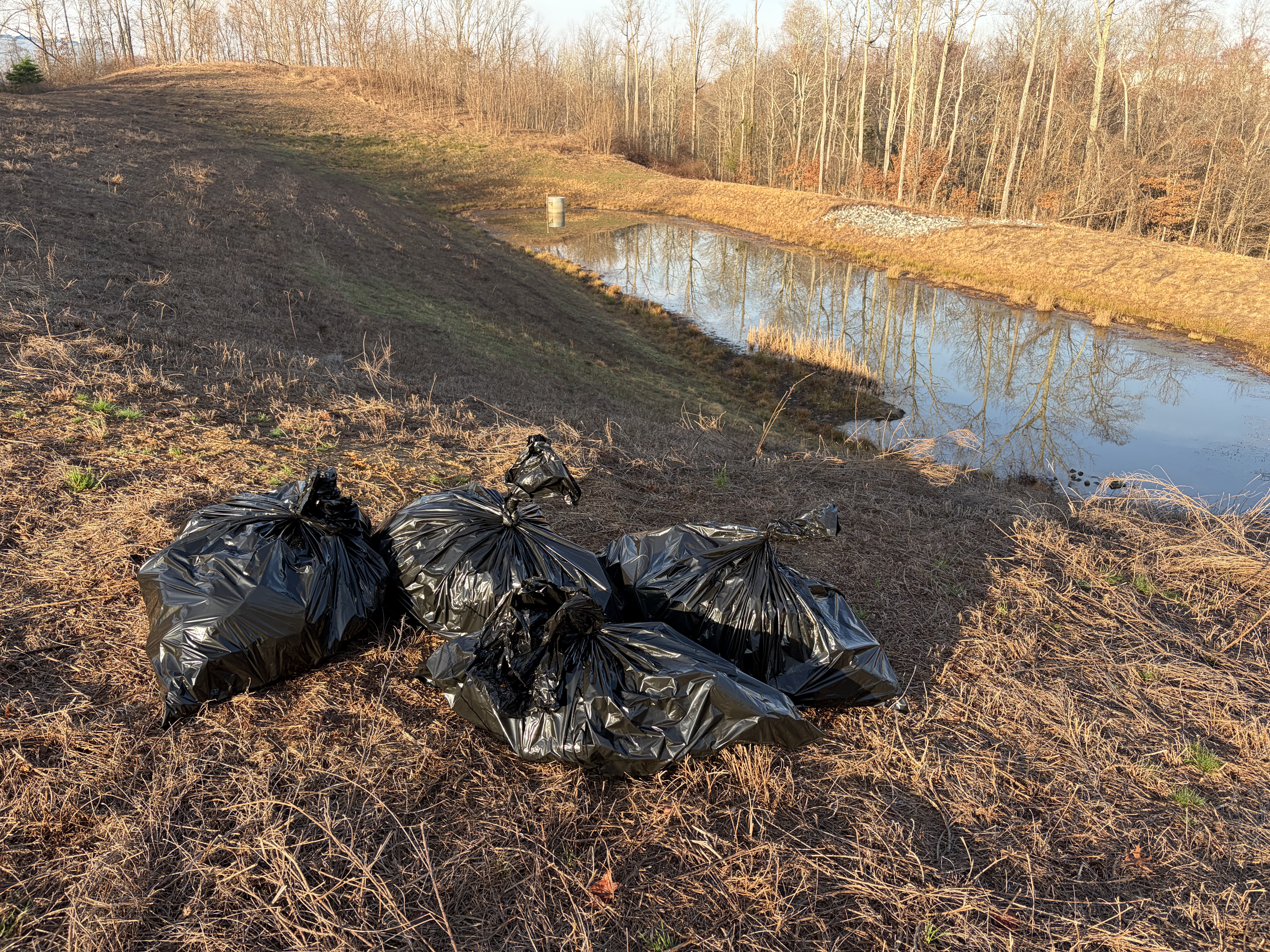
The First Signs of Leaf Debris in Stormwater Structures
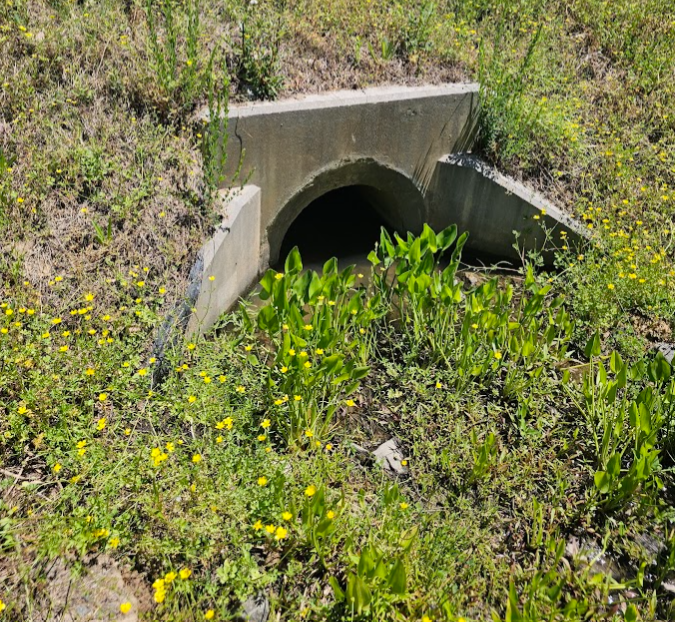
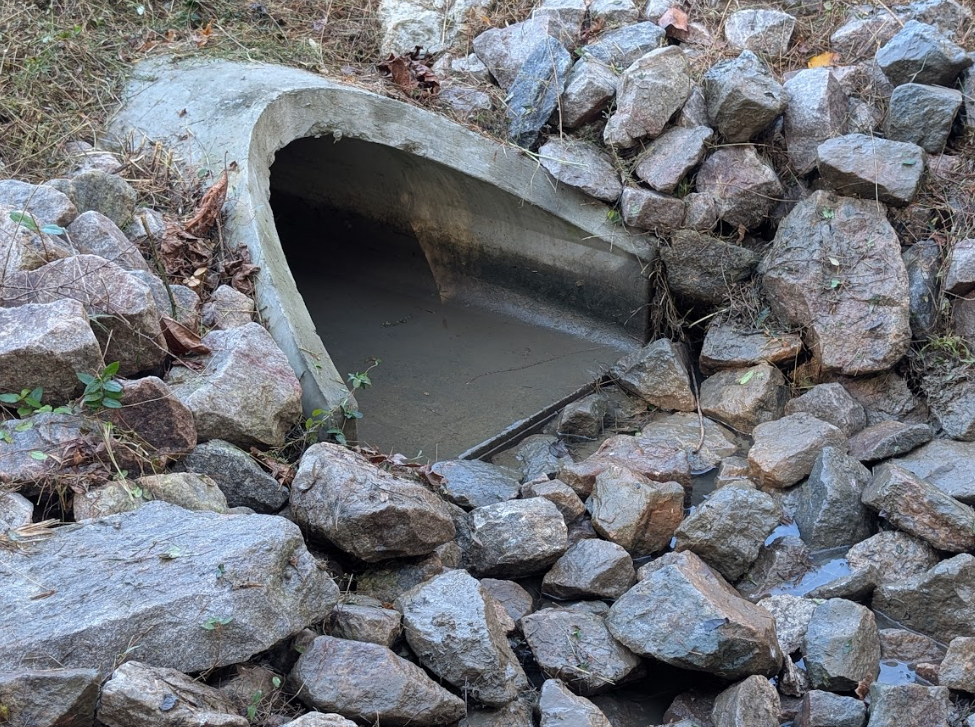
Early leaf debris is a sign that fall maintenance planning should begin. Addressing it early prevents larger blockages once leaf drop increases.
Read More →Insights and updates on stormwater management, compliance, and best practices.
Early leaf debris is a sign that fall maintenance planning should begin. Addressing it early prevents larger blockages once leaf drop increases.
Read More →Every jurisdiction we work in treats a missed inspection deadline as an active compliance gap, not a formality. Filing late is far better than not filing at all, and getting ahead of it keeps a small issue from becoming a bigger one.
Read More →A forebay collecting sediment as designed is a sign the system is functioning properly. Monitoring how full it gets over time helps plan cleanouts before capacity becomes a concern.
Read More →
A focused pre-storm inspection helps confirm a system is ready to handle heavy rainfall and reduces the likelihood of storm-related damage.
Read More →
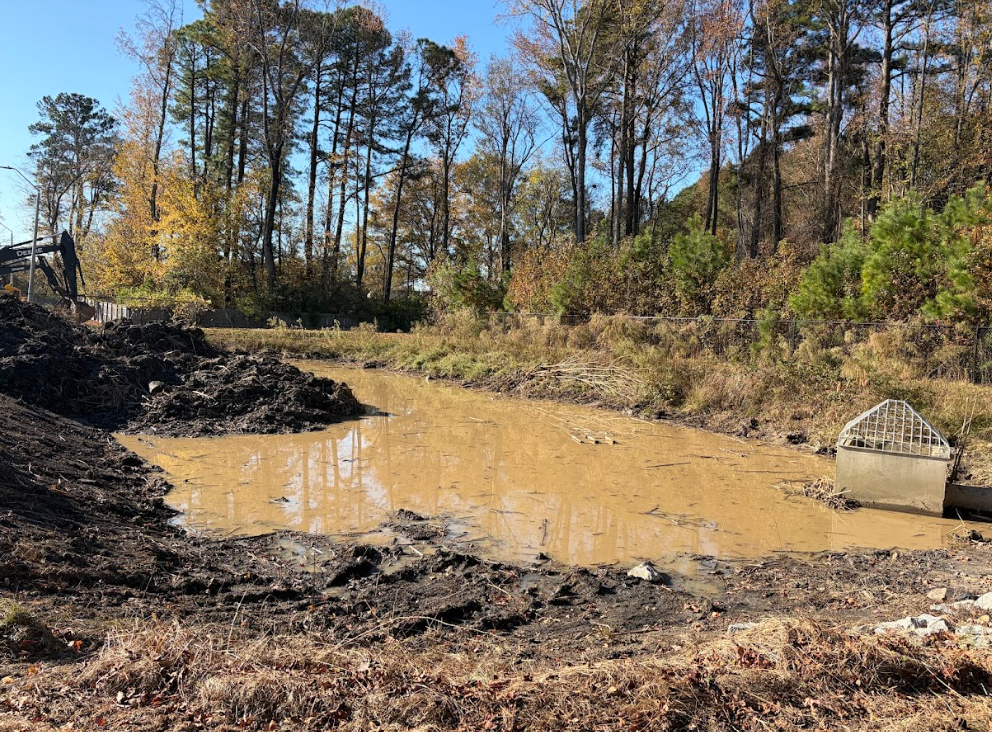
Understanding how sediment affects pond storage capacity helps property managers plan cleanouts before capacity loss becomes a flooding risk during heavy storms.
Read More →Inspection deadlines vary by city and county across the Triangle, so the fastest way to confirm yours is to check with your local stormwater department directly. Missing it, even unintentionally, puts a site out of compliance.
Read More →
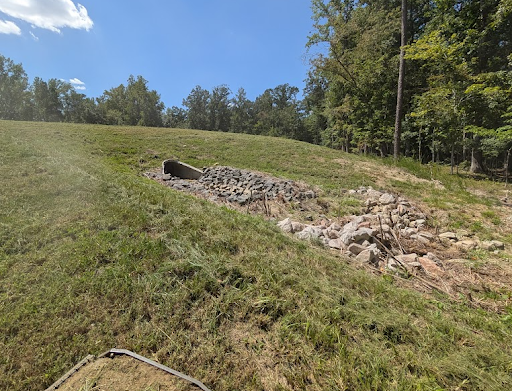
A mid-summer check-in catches things a single spring inspection can't.
Read More →Regular debris removal from inlets is a simple task that prevents much larger drainage issues during periods of frequent rainfall.
Read More →
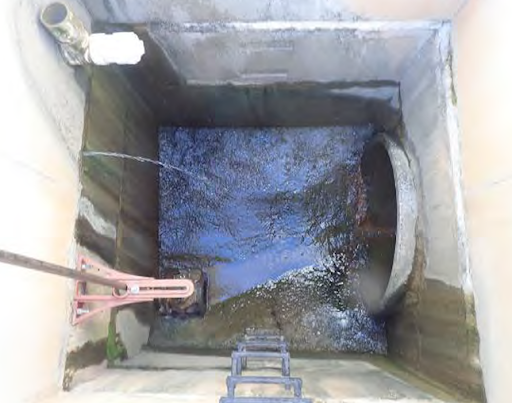
Frequent summer storms can accelerate sediment buildup beyond what a routine seasonal inspection might catch. Adjusting inspection frequency during active storm periods helps keep systems performing properly.
Read More →Getting a stormwater notice of violation feels bigger than it usually needs to be.
Read More →Standing water that lingers longer than expected after rainfall is often an early indicator of a downstream restriction. Identifying the cause early helps prevent larger drainage issues.
Read More →Post-storm inspections help confirm whether a system performed as expected and identify any new issues before they grow. This step is just as important as pre-storm preparation.
Read More →
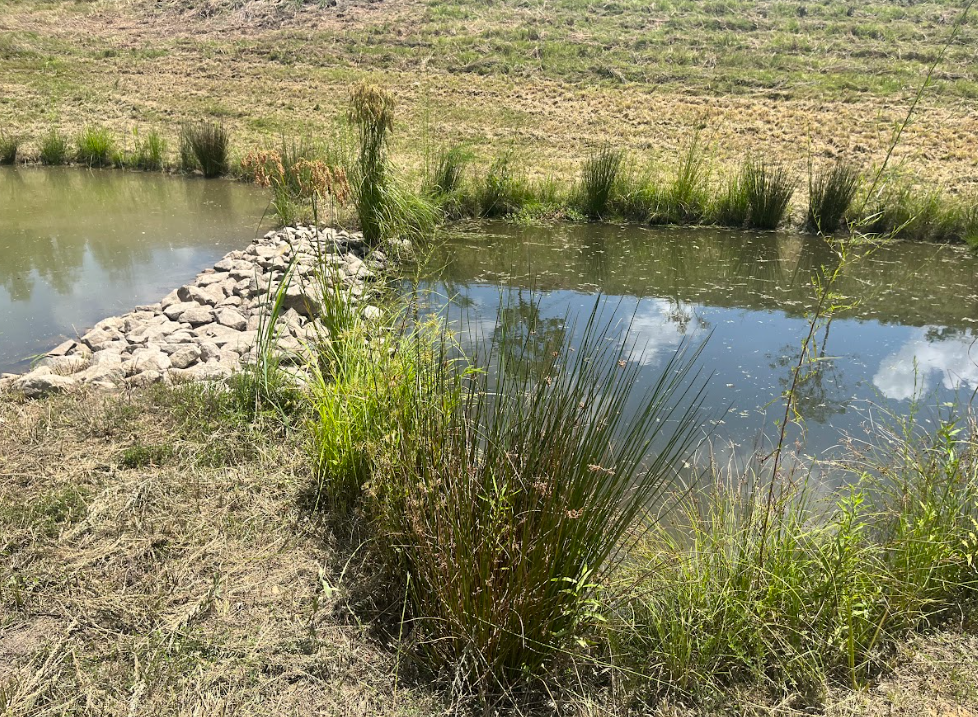
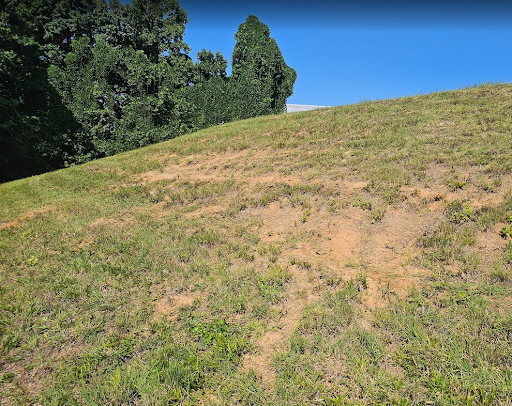
Embankments are especially vulnerable during summer storm season when rainfall is heavier and more frequent. Identifying early washout areas helps prevent more significant erosion and repair costs.
Read More →
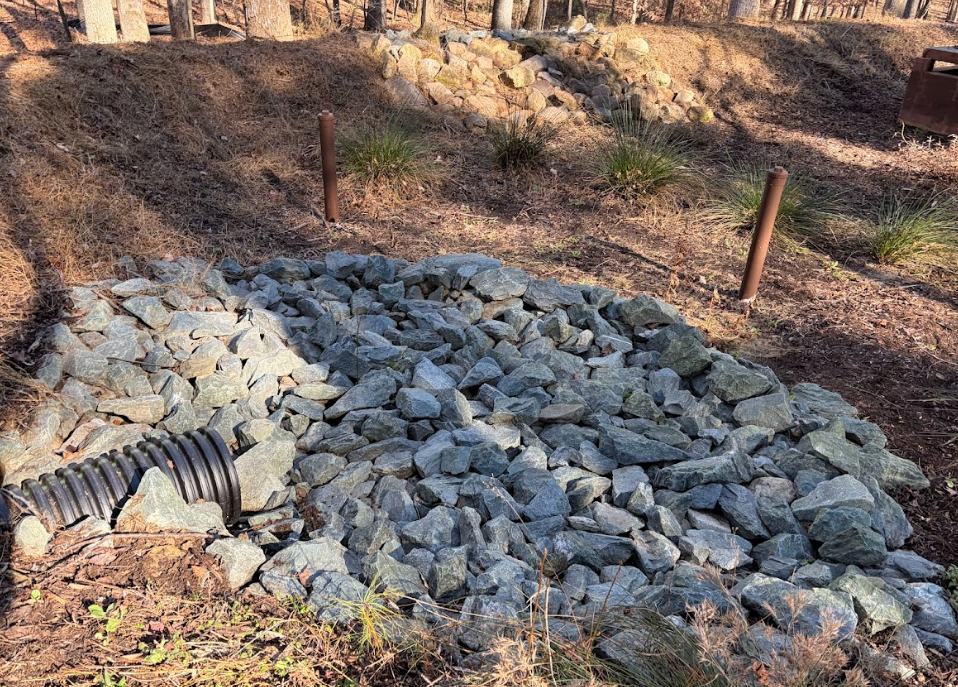
Simple maintenance tasks, like clearing a clogged outlet, can meaningfully reduce the risk of standing water and overflow during peak storm season.
Read More →
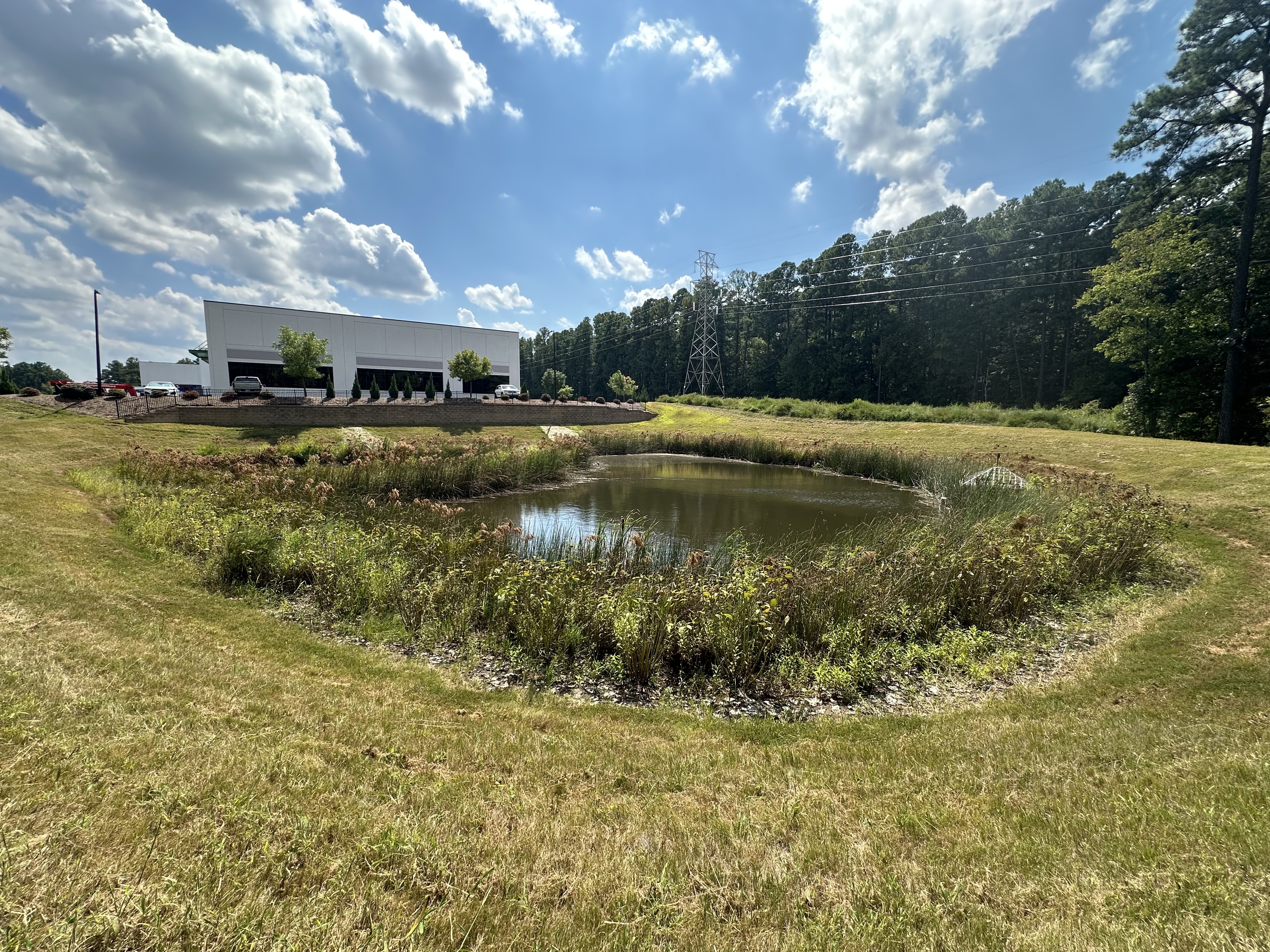
Heavy rainfall can move sediment farther than expected in a short time. Checking forebays and downstream areas after major storms helps confirm the system is still functioning as designed.
Read More →
Mid-season is a good time to reassess site conditions.
Read More →
Regular inspections and maintenance ensure stormwater systems remain in good working condition throughout the year.
Read More →
Monitoring flow paths and addressing early restrictions helps maintain proper system function and prevent larger issues.
Read More →
Stormwater maintenance is more than checking boxes at BMC Stormwater. We believe in “No Surprises” by staying proactive, communicating clearly, and keeping systems functioning before small issues become costly problems.
Read More →Vegetation doesn’t stay the same. It grows quickly this time of year.
Read More →Keeping things consistent is what reduces surprises over time.
Read More →
Managing sediment buildup through routine maintenance helps preserve system capacity and overall performance.
Read More →
Maintaining clear flow paths is one of the most effective ways to ensure stormwater systems function properly and avoid unnecessary repairs.
Read More →That’s how we keep things predictable—no surprises. Just reliable stormwater.
Read More →
Routine site visits help identify erosion early and prevent more extensive damage. Addressing these areas quickly helps maintain system stability.
Read More →Maintaining littoral shelves supports water quality and overall system performance. Regular maintenance ensures vegetation remains balanced and effective.
Read More →It doesn’t take long for it to start affecting flow and performance. Catching it early keeps things simple.
Read More →Starting with a simple site walk often leads to better long-term performance and fewer surprises.
Read More →
A little planning goes a long way in stormwater management.
Read More →Routine site walks are one of the simplest ways to stay ahead of bigger problems.
Read More →
Sediment buildup usually starts gradually and in places that aren’t always easy to see.
Read More →
Routine inspections help catch these signs early and keep systems working the way they were designed.
Read More →Consistency helps property managers make better long-term decisions.
Read More →
Early signs of erosion can be easy to miss if you’re not looking closely.
Read More →
It’s a simple reminder that consistent maintenance plays a big role in keeping our water clean.
Read More →
Not all stormwater problems are obvious from a distance.
Read More →Small changes like this often point to bigger problems developing underneath the surface.
Read More →Stormwater systems don’t need constant major repairs when they’re maintained consistently and inspected regularly.
Read More →
These small checks can reveal early signs that maintenance may be needed.
Read More →Stormwater management is often about staying ahead of problems instead of reacting to them.
Read More →
Local experience helps us spot patterns early and maintain sites in ways that fit their conditions.
Read More →Understanding how each system is designed helps guide what to look for during inspections and how to maintain it properly over time.
Read More →
Managed vegetation helps the system perform better and keeps small problems visible before they grow.
Read More →Consistent maintenance and inspections help catch these issues early and keep sites functioning as designed.
Read More →
We focus on long-term performance, not quick fixes or upselling work that isn’t needed.
Read More →
By the time it’s obvious, it’s usually overdue.
Read More →
Routine maintenance isn’t flashy, but it works.
Read More →
Maintenance protects both the site and the budget.
Read More →
We value collaborating with property managers and owners who prioritize regular maintenance. It keeps properties in great shape and helps prevent unexpected issues.
Read More →
Forebays are usually the first part of a pond to fail.
Read More →
We're excited to launch our new blog where we'll share stormwater management tips, industry updates, and project highlights.
Read More →